Stop Convincing. Start Persuading. The Difference That Changes Everything in Sales

Billy Glenn
October 16, 2026 · 5 min read
There's a difference between convincing someone to buy and helping someone want to buy.
And that difference can change the way you sell.
Think about the last time someone tried really hard to convince you of something.
Maybe they kept repeating why their product was the best.
Maybe they talked over your concerns.
Maybe they made you feel like you needed to defend your decision.
How did that make you feel?
Probably not very comfortable.
That's because pressure often creates resistance.
And yet salespeople do this every day.
They think their job is to talk customers into buying.
I believe there's a better way.
Stop trying to convince people. Start helping them recognize the value of the right solution.
That's persuasion built on understanding.
Convincing Focuses on the Salesperson
Convincing often sounds like this:
“Our company has the best products.”
“You won't find a better deal anywhere.”
“This is our most popular option.”
“You really should buy this today.”
Notice what these statements have in common.
They're primarily about what the salesperson wants the customer to believe.
They may contain useful information, but they don't necessarily connect to what matters most to that customer.
And when a customer isn't ready to agree, repeating the same claims rarely solves the problem.
Persuasion Starts With the Customer
Persuasion, when practiced ethically, works differently.
It begins with curiosity.
What does the customer want?
What are they frustrated with?
What matters most to them?
What would improve their situation?
What concerns do they have?
Once you understand those answers, you can connect your recommendation to the customer's priorities.
Here's an example from the custom closet industry.
Convincing:
“You should choose this closet system because we use high-quality materials and offer excellent customization.”
Persuading:
“You mentioned that your mornings feel chaotic because you can't find what you need. If everything had a designated place and getting ready became easier, how would that change your morning routine?”
See the difference?
The first statement focuses on the product.
The second focuses on the customer's life.
One tells.
The other helps the customer think.
The Three Shifts That Make Persuasion More Effective
Shift 1: From Features to Outcomes
Features explain what a product has.
Outcomes explain what the product can help someone accomplish.
A feature might be adjustable shelving.
An outcome might be having storage that adapts as a family's needs change.
A feature might be an online sales training course.
An outcome might be feeling more confident during objections and knowing what to say when a customer hesitates.
Customers need accurate information about features.
But they also need to understand why those features matter.
Ask yourself:
“How does this help the customer achieve what they told me they wanted?”
That's where the real conversation begins.
Shift 2: From Talking to Asking
Average salespeople often believe that more information creates more confidence.
Sometimes it does.
But sometimes it creates confusion.
Instead of delivering a long explanation, try asking:
“What matters most to you about this decision?”
“How would solving this problem improve your situation?”
“What concerns do you still have?”
“What would make this solution worthwhile for you?”
These questions invite participation.
And customers are more likely to engage in a conversation when they feel heard.
Shift 3: From Pressure to Clarity
A great salesperson doesn't need to manufacture urgency.
They need to help the customer understand the decision.
That includes being clear about price, timing, benefits, limitations, and alternatives.
Sometimes clarity leads to a sale.
Sometimes it leads to a customer deciding the solution isn't right for them.
Both outcomes can be professional.
Because trust is more valuable than forcing a transaction that shouldn't happen.
Why Customers Resist
Resistance can happen for many reasons.
The customer may not understand the value.
They may have concerns about cost.
They may not trust the information.
They may need someone else's input.
Or they may simply not be ready.
The mistake is treating every hesitation as something to overcome through force.
Instead, try to understand it.
For example:
Customer: “I'm not sure it's worth the investment.”
Salesperson: “That's fair. When you think about the investment, what would this solution need to accomplish for you to feel it was worthwhile?”
That question creates an opportunity to discuss value.
It doesn't guarantee a sale.
But it gives you a much better understanding of the decision.
Persuasion Requires Listening
Here's a habit I'd encourage every salesperson to develop.
After asking an important question, stop talking.
Let the customer answer.
Don't interrupt.
Don't rush to fill the silence.
Don't start planning your response before they've finished.
Listen for what matters.
Listen for emotion.
Listen for uncertainty.
Listen for the difference between what they initially say and what they actually need.
You can't personalize your recommendation if you haven't listened carefully enough to understand the person you're helping.
The Best Sales Conversations Feel Different
When you're focused on convincing, the conversation can feel like a debate.
You make a point.
The customer raises a concern.
You counter the concern.
They raise another one.
And eventually, everyone becomes frustrated.
When you're focused on understanding and persuasion, the conversation becomes collaborative.
You explore the problem together.
You discuss possible solutions.
You evaluate whether the investment makes sense.
You help the customer decide.
That's the kind of selling I believe creates stronger relationships and more confident decisions.
Final Thought
Here's the principle I want you to remember:
Convincing is about getting someone to agree with you. Ethical persuasion is about helping someone understand what matters to them and make an informed decision.
You don't need to become louder.
You don't need to become more aggressive.
And you don't need to memorize a hundred pressure tactics.
You need to become more curious, more intentional, and more effective at connecting solutions to real customer needs.
Stop trying to win arguments.
Start having better conversations.
That's how you become a salesperson people actually want to buy from.
Master the Art of Persuasion
Want to learn how to communicate value, build trust, and guide sales conversations without relying on pressure?
Explore The Art of Persuasion, my ebook and audiobook bundle.
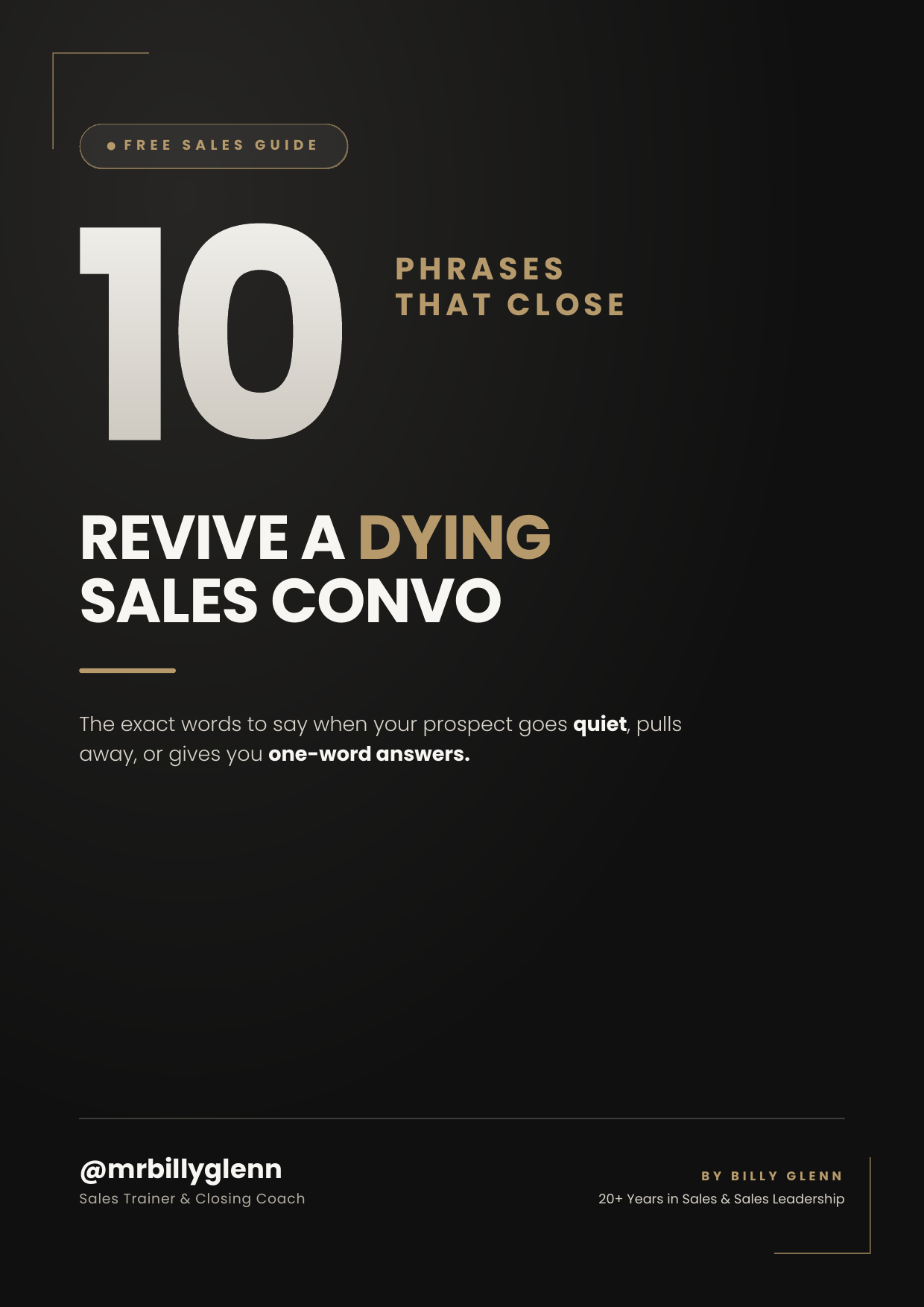
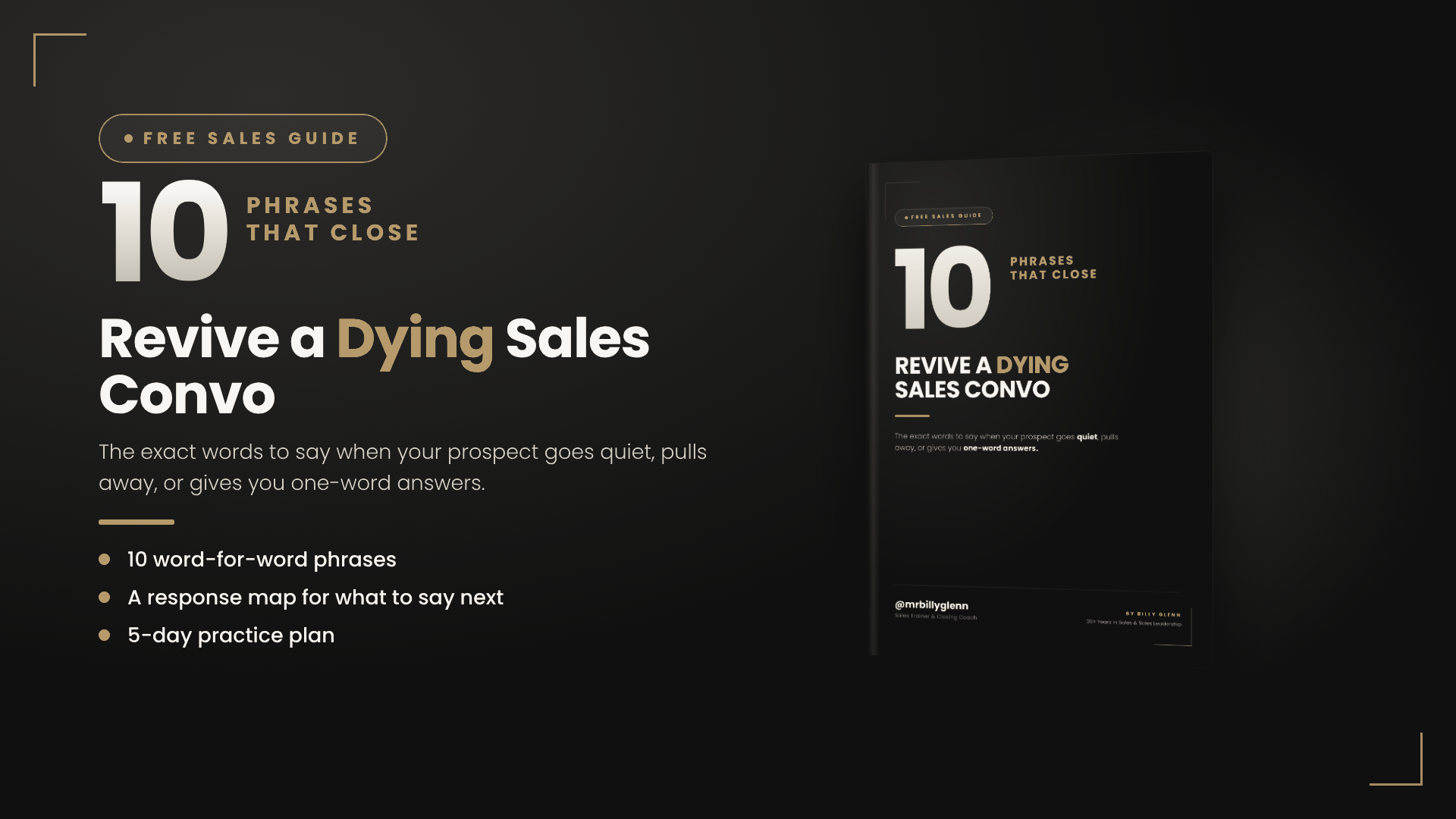
Or get the free guide, 10 Phrases That Revive a Dying Sales Conversation.
About Billy Glenn
Billy has spent more than 20 years in sales and sales leadership. He teaches the words, frameworks, and habits that turn conversations into closed deals. More about Billy